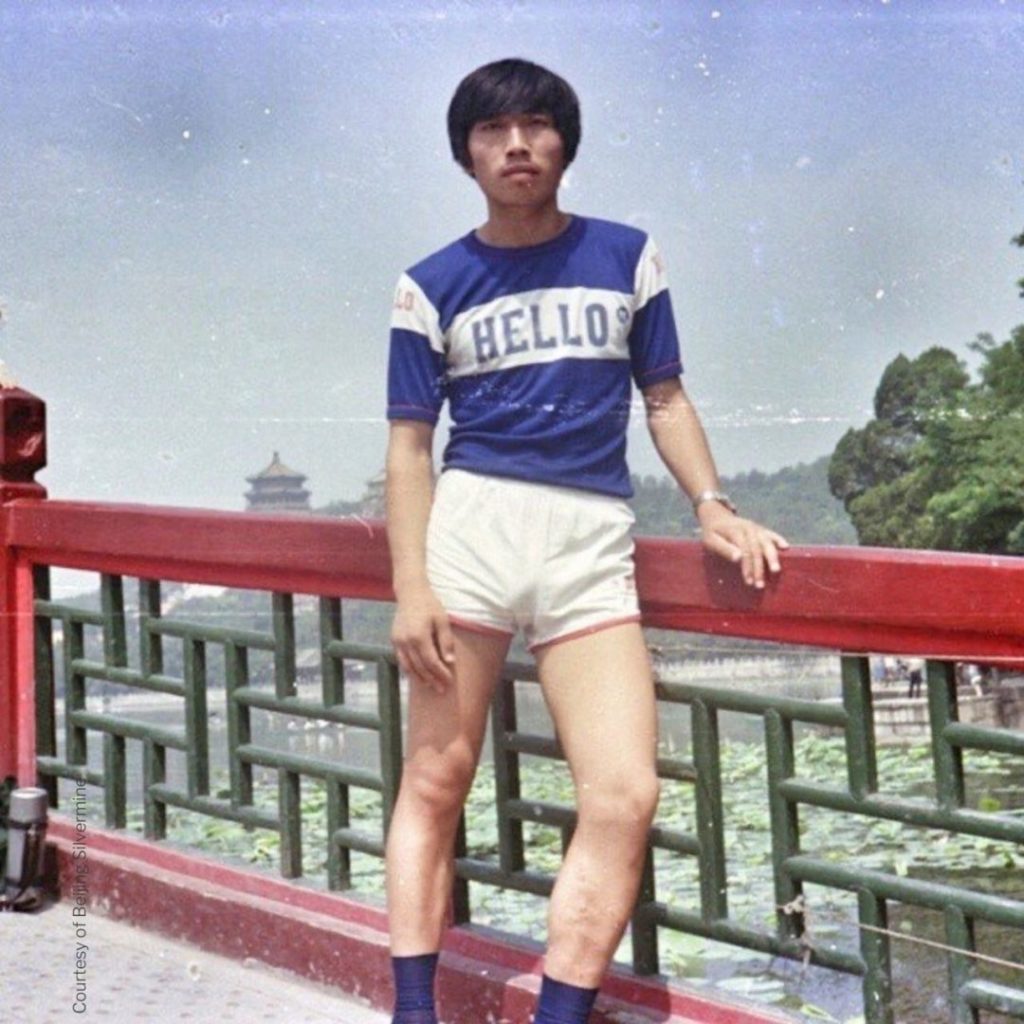
Jia Zhangke: “I wanted to acknowledge the sensory link between contemporary history and ancient times.”
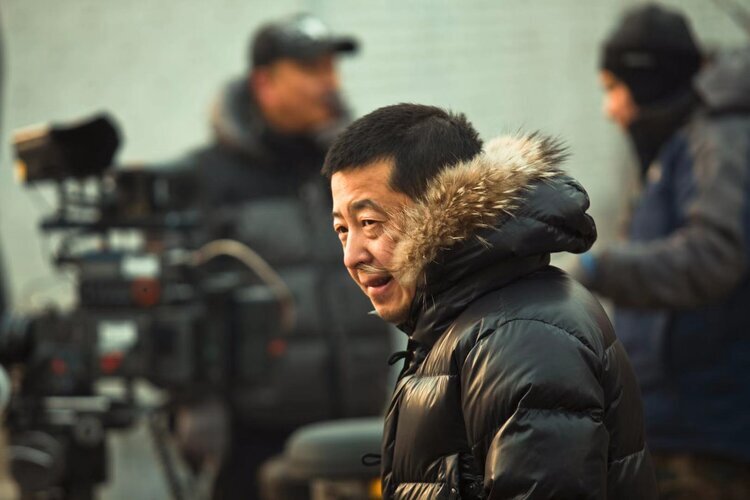
Considered one of China’s greatest directors, Jia Zhangke develops a cinema rooted in the realities of contemporary China. Doors exhibited excerpts from his films set in the Three Gorges region to explore the filmmaker’s connection to the Chinese landscape.
Liu Ke: “I wanted […] to feel the movement of deep currents beneath the calm waters of the river.”
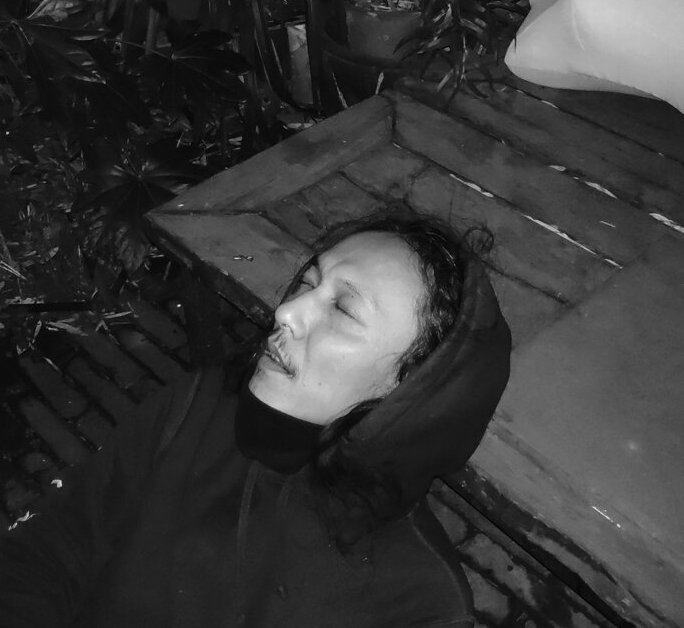
Between 2007 and 2009, Liu Ke carried out the solo project “Still Lake”, retracing his paternal family’s roots in the Three Gorges region, which was flooded following the construction in 1994 of the world’s largest hydroelectric dam.
Taca Sui: “Poetry and photography are, in some ways, similar in the way they preserve fragments of history and reality.”
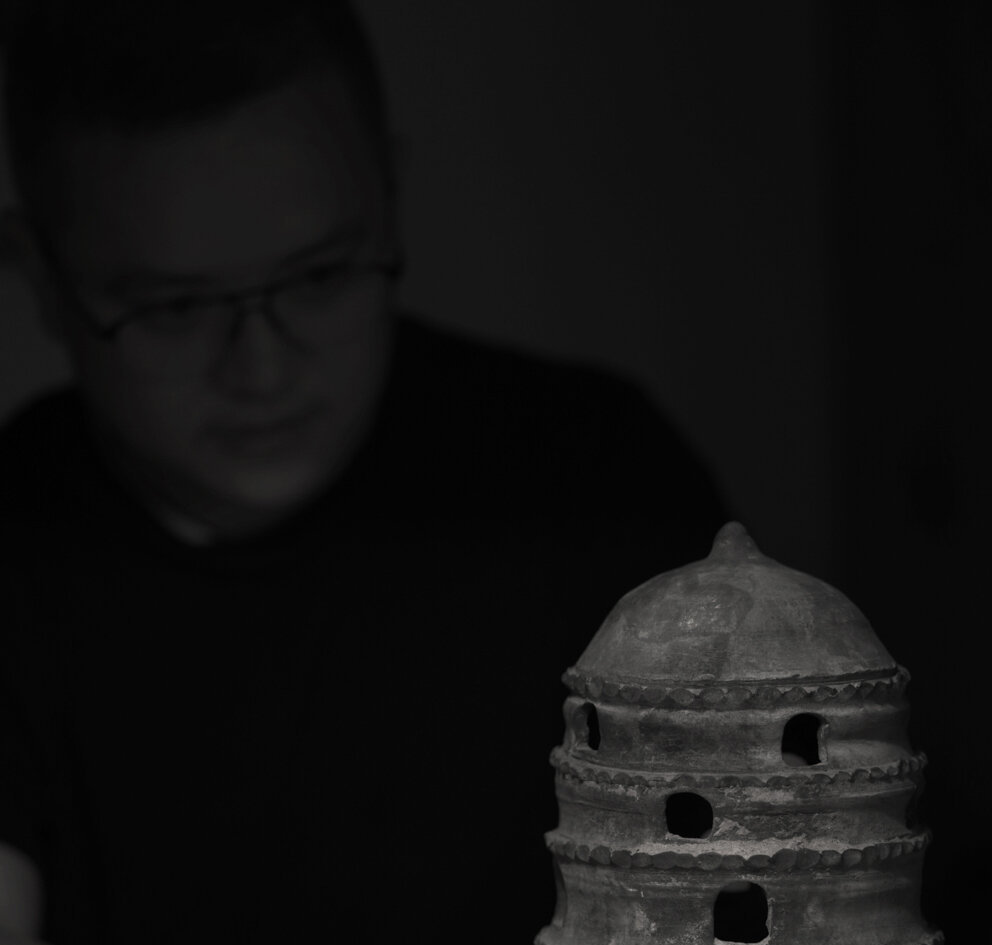
Taca Sui’s works resonate with the elliptical nature of the poems: his images seem to remain suspended, caught in a strange sense of waiting.
Yang Yongliang: “I cultivate a spirit of continuity with regard to our heritage, but I express a rupture, because rupture is an unavoidable reality of our time.”
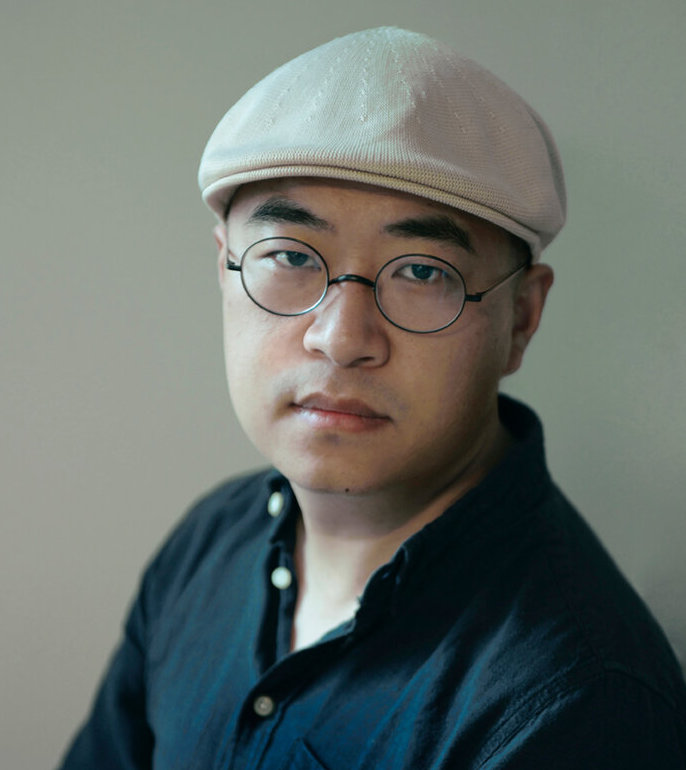
Trained from an early age in calligraphy and traditional ink painting, Yang Yongliang set out from the beginning of his career to connect classical art with contemporary art. Yang combines photography and new media techniques to construct landscapes that appear natural and evoke traditional shanshui painting (“mountain and water” landscapes), but which in reality depict the effects of urban development in China.
Michael Cherney: “Each photograph is a map.”
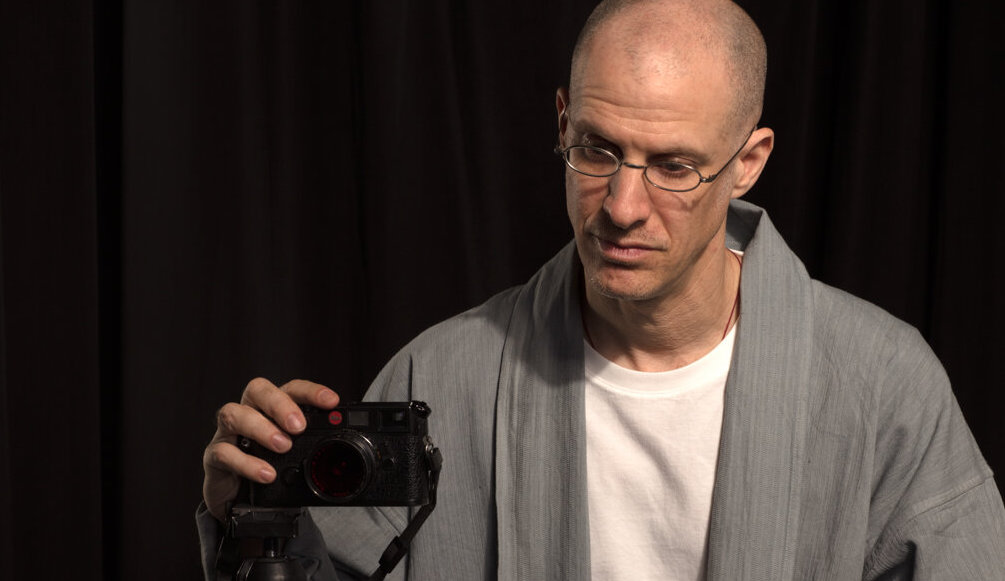
Born in New York, Michael Cherney has lived in Beijing since 1991. His photographic work is rooted in the Chinese aesthetic tradition of landscape representation.
Edward Burtynsky: “I am most interested in humanity through the expression of large-scale industrial systems.”
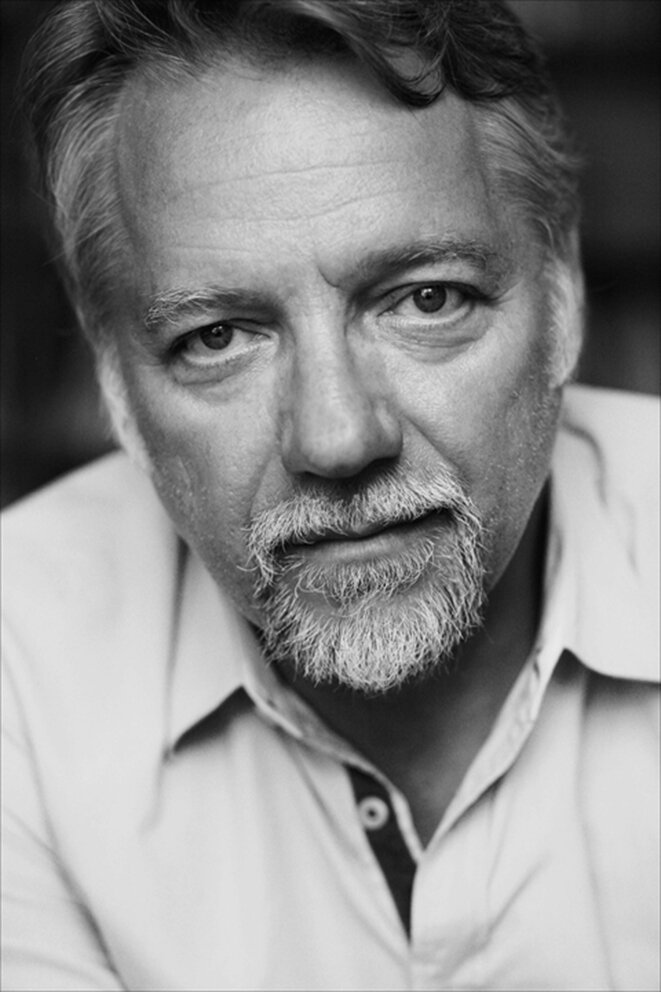
For thirty-five years, internationally renowned photographer Edward Burtynsky has dedicated himself to depicting industrial landscapes and the transformations of nature by humankind around the world. His work on ecological issues took him to China in the 2000s, where he created several photographic series highlighting the human and environmental consequences of modernization.