Zhang Xiao: “The coastline also represented a long journey for me — a search for my own identity.”

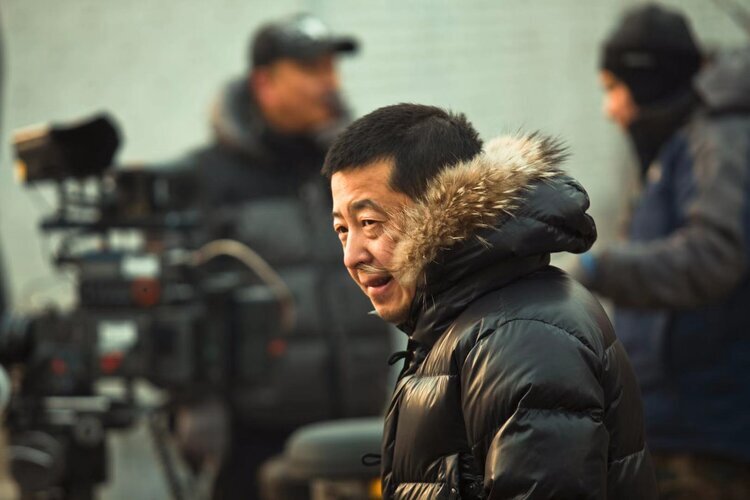
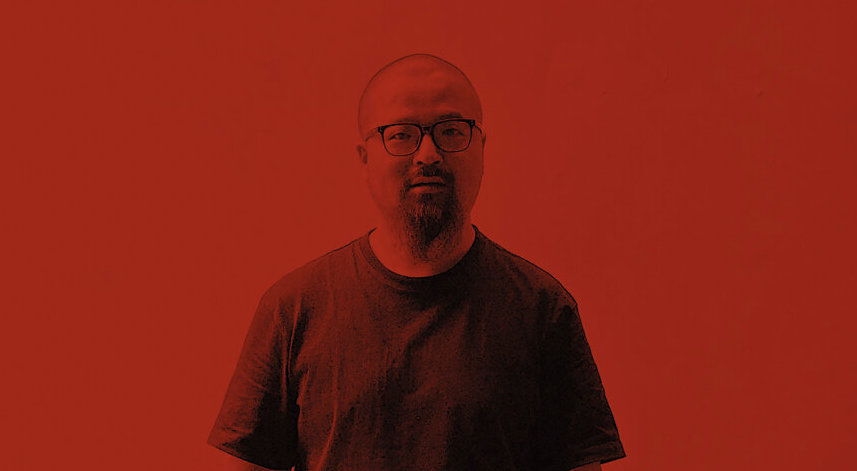
Portrait of Zhang Xiao

Zhang Xiao was born in 1981 in Yantai, Shandong Province, and lives in Chengdu. After studying architecture and design at Yantai University, Zhang Xiao worked as a photojournalist in Chongqing for the daily newspaper Chongqing Morning Post.

In 2010, he received the Three Shadows Photography Award—one of the most prestigious photography prizes in China—for his series They (2006–2007). Coastline (2009–2013), focusing on China’s coastline, was widely acclaimed in China and internationally, earning Zhang Xiao numerous awards, including the Hou Dengke Documentary Photography Award (2009), the Bourse du Talent (2010), and the HSBC Prize for Photography (2011). In 2018, he was named Robert Gardner Fellow in Photography at Harvard University.

His work combines a documentary approach with aesthetic research to address the human and social consequences of Chinese modernity. For his latest project, Apple (2019), Zhang Xiao returned to his hometown of Yantai and used photography, video, and sculpture to evoke apple culture, a cornerstone of the local economy with global implications.

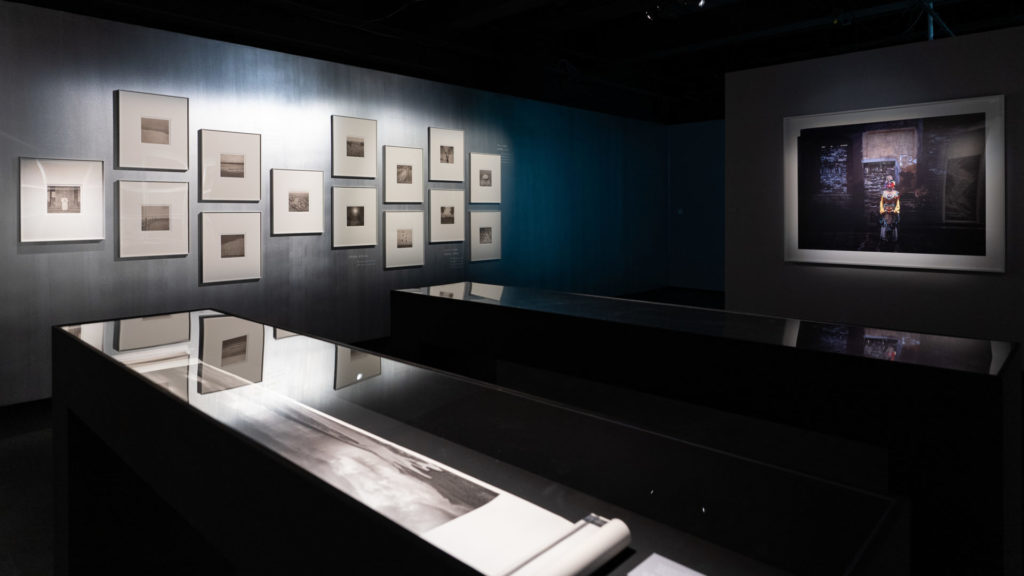
Zhang Xiao is one of the artists featured in the exhibition Flowing Waters Never Return to the Source.
DoorZine: You capture a China undergoing urban, social, and economic transformations through the lens of ordinary individuals. They (2006–2009) is a series you produced while working as a photojournalist in Chongqing, the former capital of the Republic of China (Kuomintang) in the 1940s. The city’s fate shifted in the 1990s when it gained municipality status, becoming a major economic hub and welcoming populations displaced by the Three Gorges Dam. Today it is a sprawling metropolis of 82,000 km² (roughly the size of Austria) with 30 million inhabitants. What did the intersecting destinies portrayed in They reveal to you?

Zhang Xiao: I worked in Chongqing during the final phase of the Three Gorges Dam project. Chongqing is located upstream from the dam, and the project had a tremendous impact on the city. As the reservoir filled, the river submerged many historic districts of Chongqing with millennia-long histories, and millions of people were forced to relocate. Economically, Chongqing, as the economic capital of the upper Yangtze basin, became one of the biggest beneficiaries of the dam. This dual influence makes Chongqing one of the most representative cities of China’s accelerated development process. This kind of contradiction is also embodied in the diversity of people I encountered. Although they may appear very ordinary, within the broader context of national history they are living through dizzying transformations, forcing them to ask themselves: which path should they take?

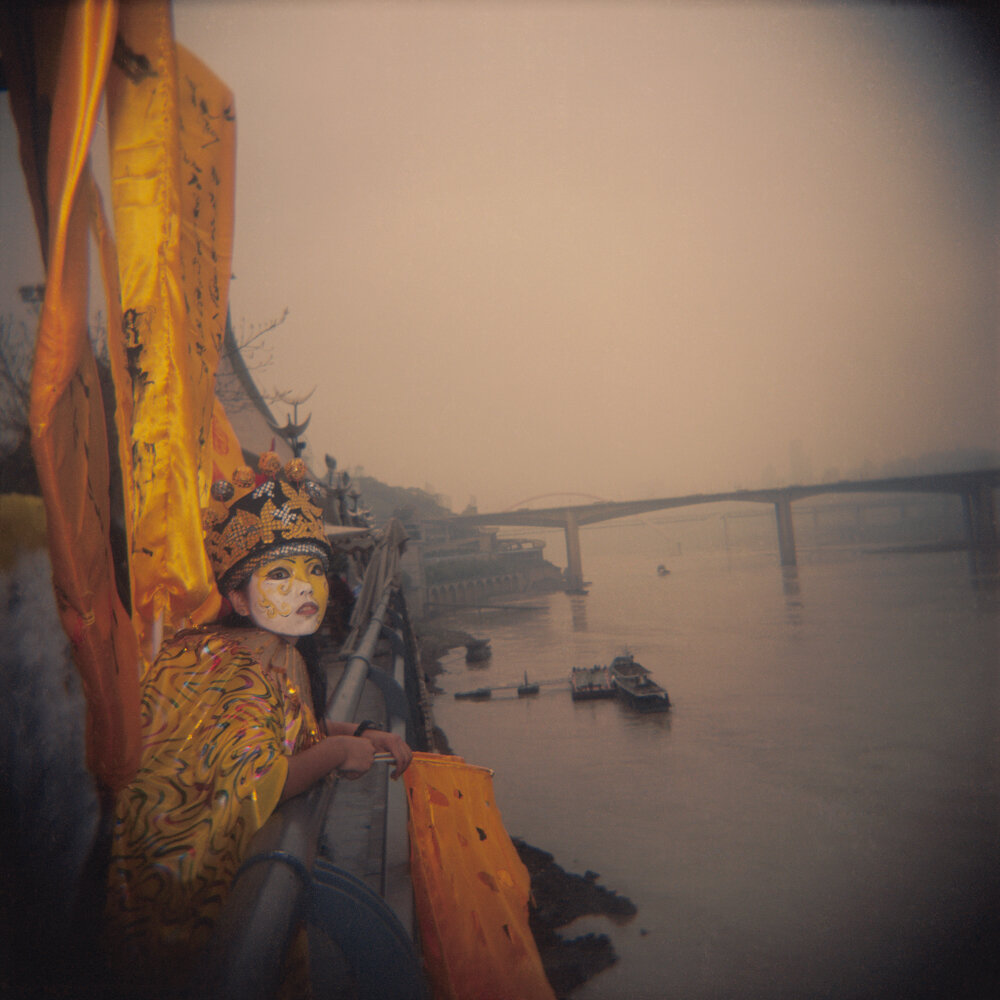
Zhang Xiao, “They” N°004, “They” series, 2006. Courtesy of the artist.

It is easy to lose oneself in this kind of situation, to question where one comes from. This lack of a sense of belonging may be a shared feeling among Chinese people today.

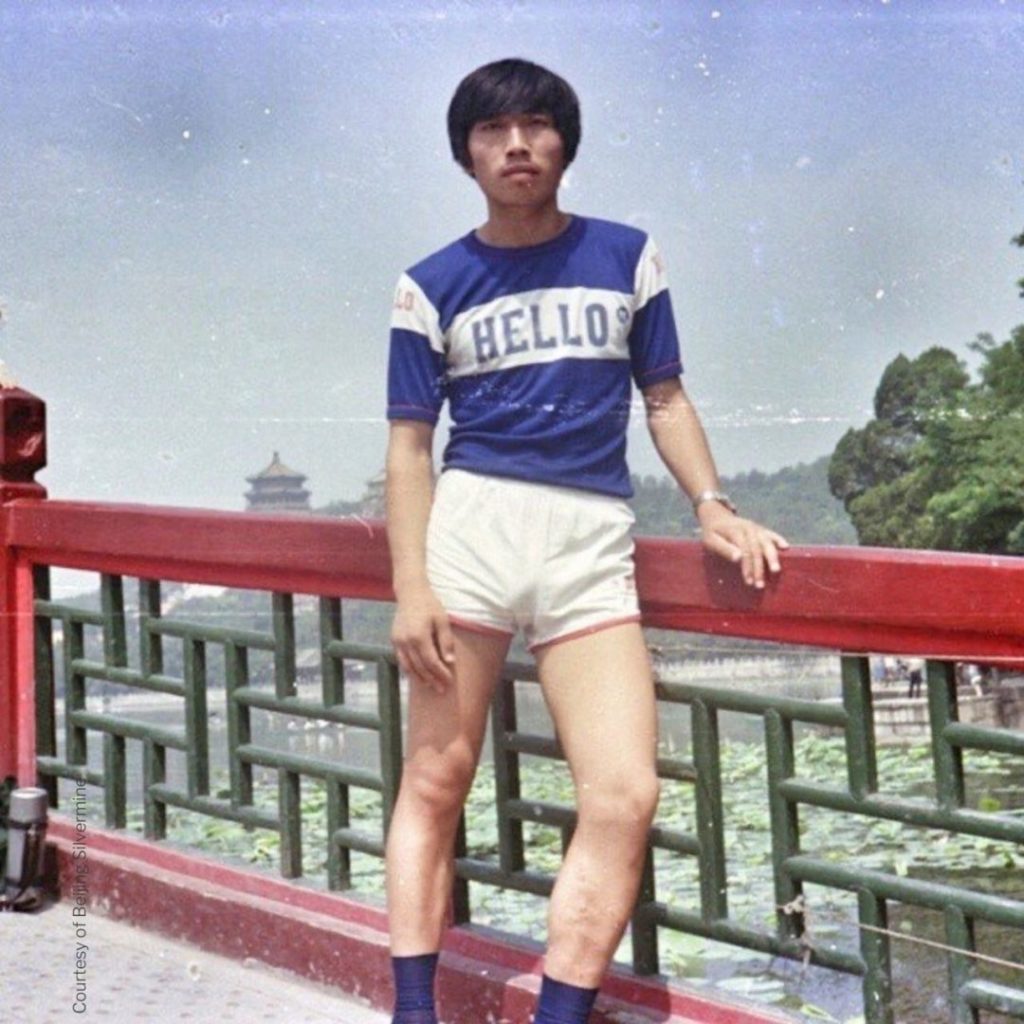
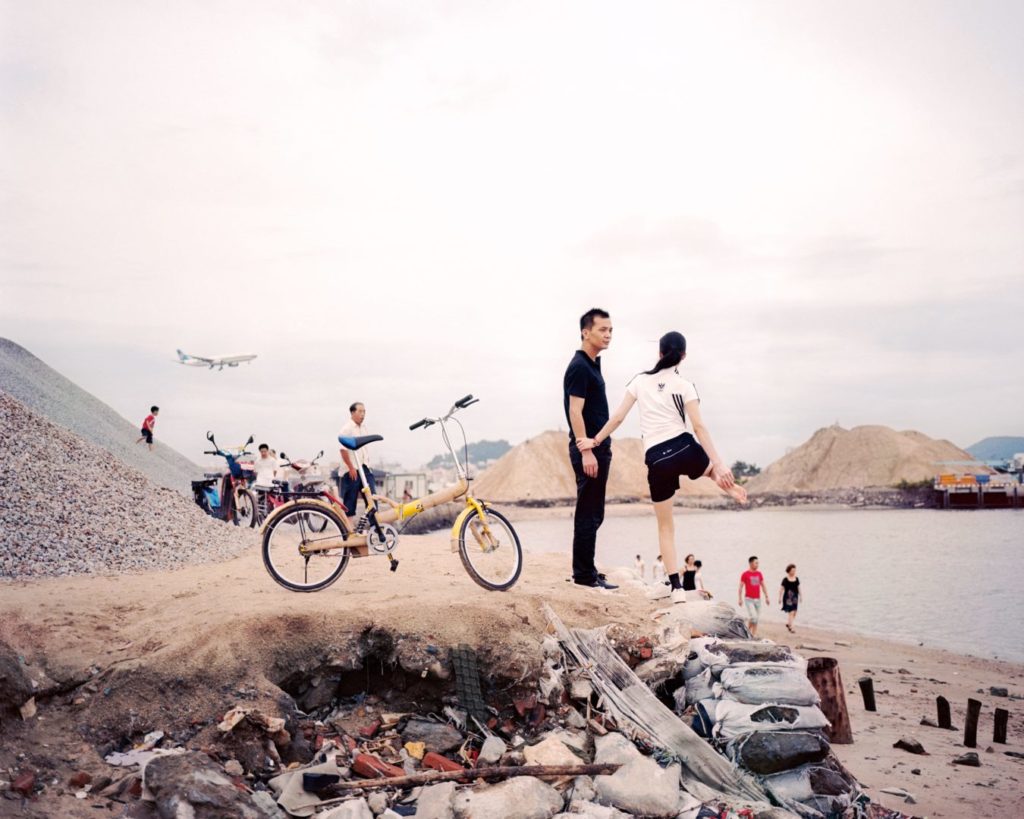
Zhang Xiao, “Coastline No14”, 2009.

DoorZine: A fantastical, almost unreal atmosphere emerges from They. Was this an aesthetic or symbolic choice?

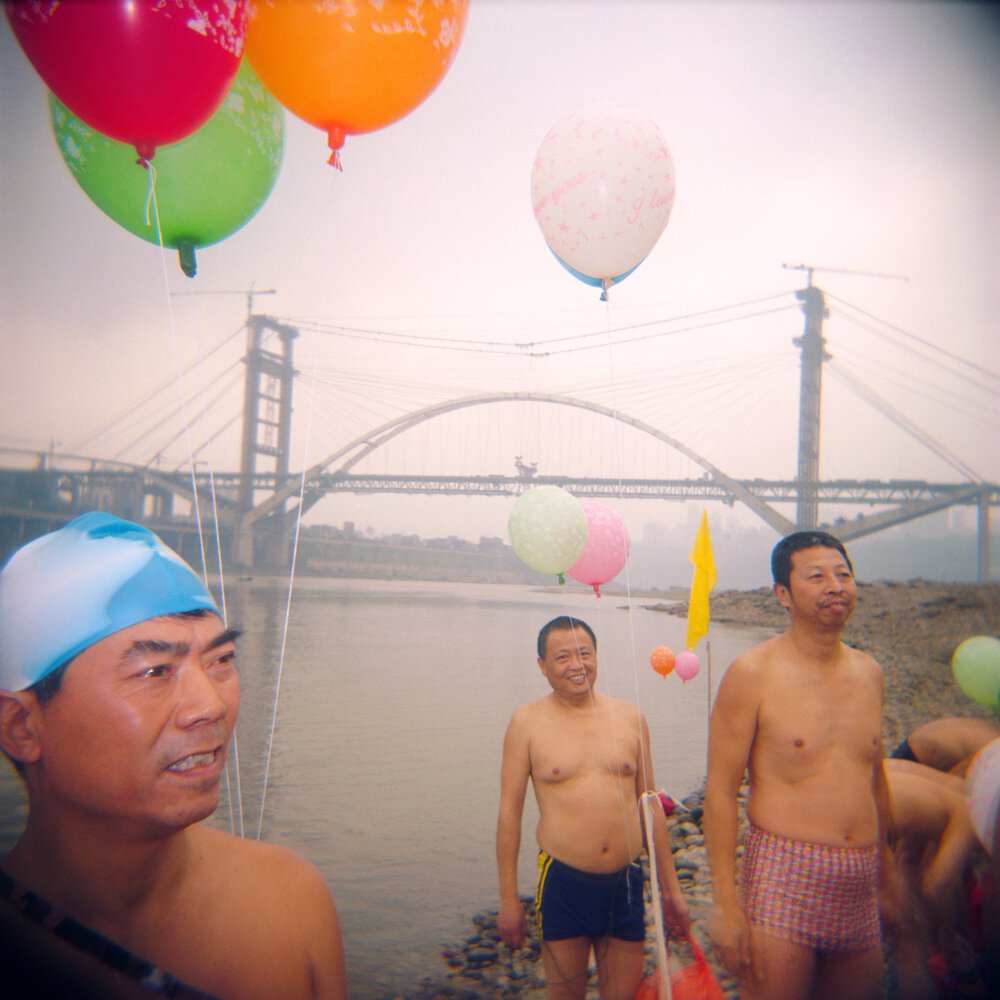
Zhang Xiao: This aesthetic direction was absolutely not the result of a conscious choice, but rather an “accident.” The visual effect of this series mainly comes from the Holga film camera I used. At the time, it was the only camera I could afford: cheap, entirely plastic—even the lens was plastic! The camera produced this exaggerated, slightly distorted visual effect, while around me unfolded scenes of strange beauty, creating a sense of theatricality.

DoorZine: China’s coastline stretches 18,000 km along the eastern part of the country. Economic reforms launched in 1979 led to the rise of wealthy coastal cities, which became a true El Dorado for millions of Chinese migrants seeking job opportunities. Coastline (2009–2013) reveals two sides of the seaside: on one hand, positive and joyful images; on the other, images of deep desolation. How did this project begin?

Zhang Xiao: Contemporary China is a gigantic contradiction, and the coastline is its most representative zone. The blind pursuit of economic growth, without concern for consequences, is overwhelming there. If people appear apathetic, I believe the only thing I can do is try to capture the truth of our era as sincerely as possible. The coastline has been at the forefront of China’s reform and opening-up policies. Every coastal city seems like a construction site that will never be completed, locked in an endless cycle of destruction and reconstruction. In this vision of prosperity, history and culture quickly become unrecognizable.

Zhang Xiao, “They n°019”, 2007. From the series “They” (2006-2007). Courtesy of the artist.

We still don’t know whether this shock is good or bad. Perhaps in our confused minds, this is what today looks like: rapid, violent development that takes us by surprise. The coastline also represented for me a long journey — a search for my own identity.

Read the full interview with Zhang Xiao in the bilingual French–Chinese catalog of the exhibition Flowing Waters Never Return to the Source available for purchase starting July 15, 2020 on the Bandini Books website.

To learn more about Zhang Xiao’s work, visit his website: zhangxiaophoto.com

And on Instagram: @zhangxiao_art

Related DoorZine Articles
Between millennial heritage and contemporary art, the museum scene and exhibition market in China are undergoing profound changes. With more than 7,000 museums in 2025, the country is confirming the central role of culture in its domestic recovery strategy.
Related Projects

Newsletter

Subscribe to our newsletter – get your foot in the door!