Chen Ronghui: “The river is not only a reality, but also a metaphor.”
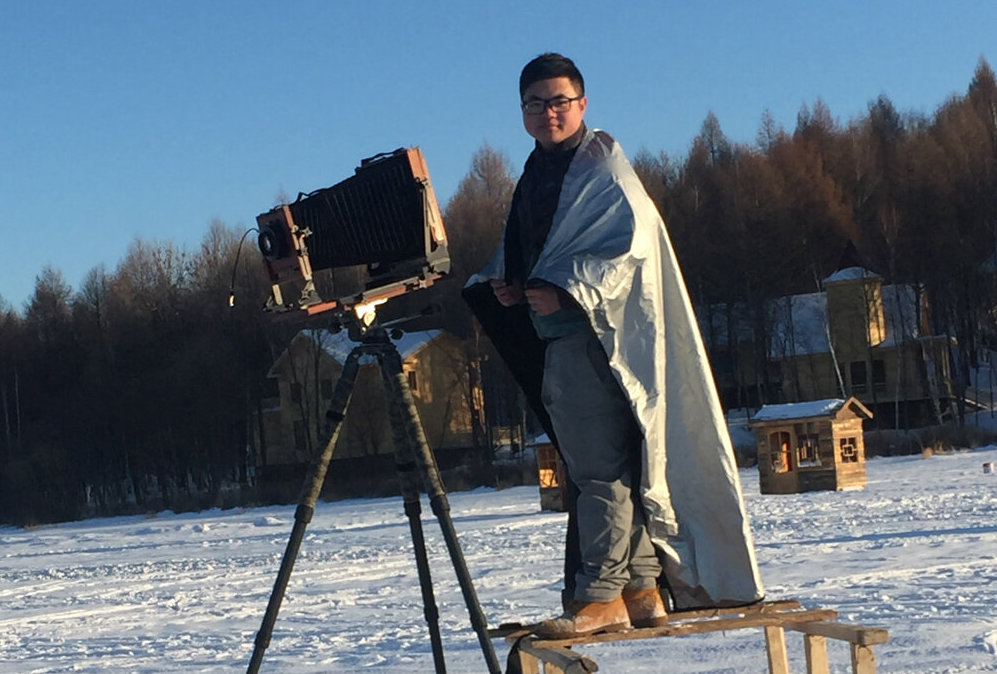
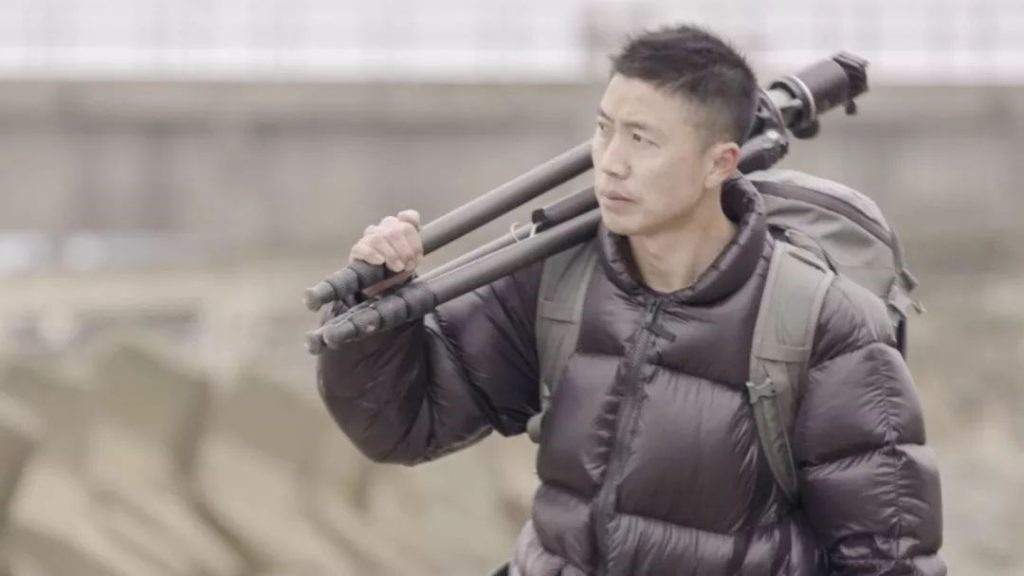
Chen Ronghui was born in 1989 in Lishui, Zhejiang Province, and lives between Shanghai and New Haven, United States. He began his photography career in 2011 after studying journalism. He collaborated for several years with the online media outlet Sixth Tone.
His work focuses on the place of the individual and environmental issues in China. In Petrochemical China (2013) and Christmas Factory (2015), he explores the consequences of urbanization and industrialization in the Yangtze River Delta and the Zhejiang region. In Freezing Land (2016–2019), he produced landscapes and portraits of young people in Northeast China, a former industrial region now in decline.
He has received several awards, including the World Press Photo, Three Shadows Photography Award, and the Hou Dengke Documentary Photography Award. He has been nominated for the Prix Pictet and the C/O Berlin Talent Award. He is currently studying at Yale University in the United States.
DoorZine: Freezing Land is a series of landscapes and portraits of young people from Northeast China (Dongbei), a region bordering Russia and North Korea—the former Chinese “rust belt,” now largely forgotten by the media and by development. In your previous projects, you explored the consequences of urbanization and industrialization in places familiar to you: Zhejiang Province (where you grew up) for Christmas Factory (2015), and the Yangtze Delta for Petrochemical China (2013). Why did you choose to travel to Dongbei, a region with which you have no personal ties, thousands of kilometers from home?
Chen Ronghui:At first, I was mainly concerned with geographic distance. Later, it was the spiritual distance that absorbed me. As an artist, creation often begins in places where you live—it’s easier, and of course that’s where our daily reflections originate. For example, when the city where I lived experienced a tap water crisis for a year, every day after work I would go buy bottled water at the supermarket.
I learned that the river water had actually been polluted by petrochemical factories. I used photography to express myself—you could even say to resist. That is how Petrochemical China was born. As for choosing the Northeast, on one hand it responds to the southern imagination of the North—the vast icy and snowy landscapes. It rarely snows in the South, yet snow appears in many of our literary and artistic works. For example, Tales of Hulan River by writer Xiao Hong, a 1942 novel that deeply influenced me.
On the other hand, as I said, I am interested in psychology. I wanted to tell the story of these places, go back to earlier times, and build a setting. I am not an action photographer, like set photographers for instance. I chose the Northeast because that is where the story I wanted to tell was located.
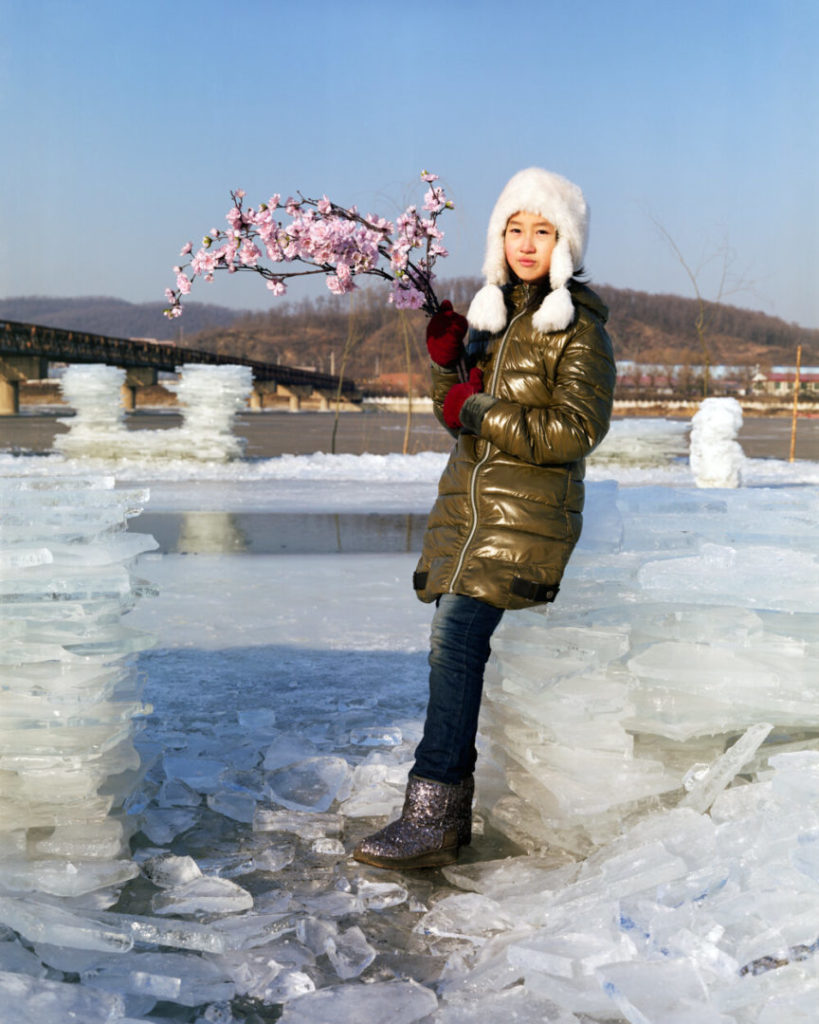
Chen Ronghui, “Girl with Flowers, Fushun”, 2018, from the series “Freezing Land” (2010-2015). Courtesy of the artist.
We are all faced with many choices, but in reality—and quite cruelly—it is impossible to truly choose. There are many situations there that resonate with me, as well as many young people my age.
DoorZine: Would you say this series continues your investigations into urbanization in China?
It is a very natural process. Before Petrochemical China, almost all my projects dealt with urbanization in China. Chinese urbanization is an unprecedented phenomenon. Our development did not unfold over the past hundred years like in other countries—it has happened almost within my lifetime, a little over thirty years. In the series Runaway World, which I photographed later, I focused on amusement parks. These places are linked to a certain stage of urbanization: society fully entering the era of consumerism. China opened a Disneyland and began building many theme parks.
With Freezing Land, I continue in that direction. Behind urban development, there is something like atrophy or decline. There is even a term used by architects and urban planners: “shrinking cities.” I wanted to focus on the current situation of shrinking cities in Northeast China. My own growth has paralleled China’s rapid urban expansion, and I want to reflect on the relationship between the individual and the urban phenomenon.
DoorZine: Why did you focus on youth?
I am very interested in young people. On one hand, I belong to this demographic group and I want to communicate with people my age through photography. It is a way to better understand myself. On the other hand, I am drawn to the vitality of youth. I want to express that energy through my art. The age of the models is not my only criterion. Some are very young, others older, but they all share the same energy. When I see them, I feel the urge to create something from it.
DoorZine: Through these portraits, there seems to be a strong sense of closeness between you and your subjects, whether photographed in their daily environment or outdoors. How did you find them, and how did you work with them?
I initiated most contacts through the Kuaishou app. Today, you can no longer publish casting calls in newspapers or magazines. So I communicated with my subjects through Kuaishou before scouting locations to photograph them. Outside of the shoots, I developed friendly relationships with them. But during portrait sessions, I remained very focused—I had to turn inward to draw from my emotions. Of course, we discussed the shoots a lot together.
Chen Ronghui, “Wuma River, Yichun” (2016), Freezing Land series (2016-2019). Courtesy of the artist.
DoorZine: Northeast China was once a prosperous region, now in decline, at a time when President Xi Jinping speaks of the “Chinese Dream,” and economic development pushes young people to leave villages and poorer provinces for large cities. Those living along the rivers and lakes in Yichun, Longjing, Fularji, Fushun, or Shuangyashan—who are they? What are their lives and aspirations made of?
You cannot really say that the Northeast is a poor province. I think it is rather a region marked by a sense of disconnection. This disconnection affects young people more than poverty itself. Many people cannot move beyond the planned economy or public administration. They still hope to rely on “connections” to solve their problems. In families, young people with qualifications often become civil servants and work in the public sector, but deep down they reject this type of profession. This is another contradiction.
There are also those who do livestreaming—their goal is to become “internet celebrities”—but very few succeed. In reality, most are just trying to pass the time. Wanting to move forward but being afraid—this is the mindset of many people. After becoming accustomed to living in a collectivist system, leaving and becoming independent is difficult.
Chen Ronghui, “Xiaoshan, Zhejiang”, 2013. De la série “Petrochemical China”. Avec l’autorisation de l’artiste.
Interview conducted by Victoria Jonathan & Bérénice Angremy.
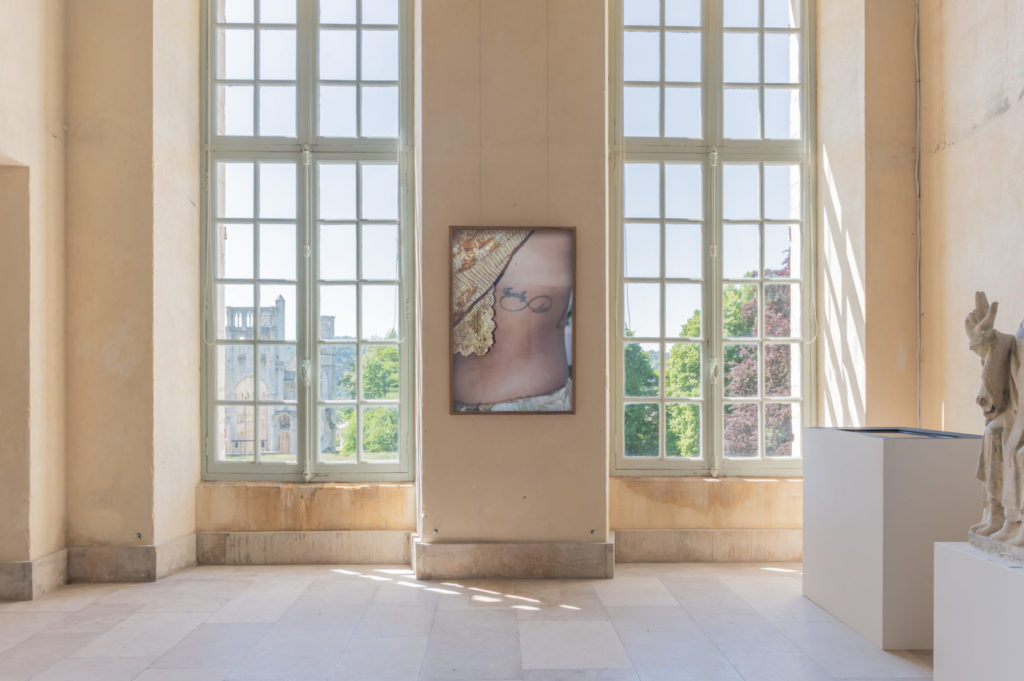
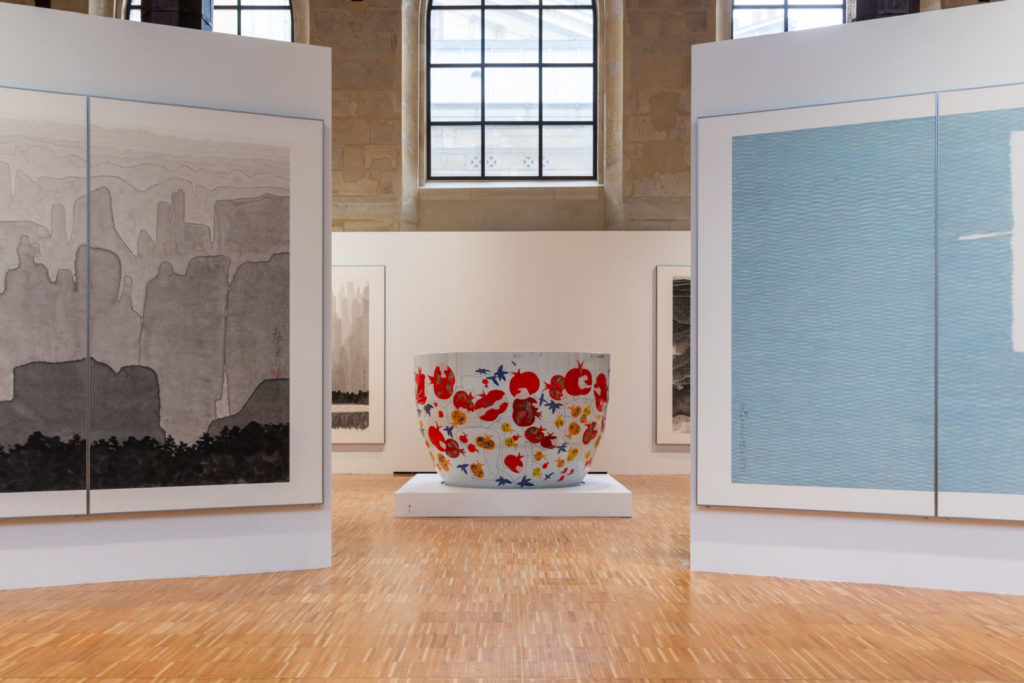
Read the full interview with Chen Ronghui in the bilingual French–Chinese catalog of the exhibition Flowing Waters Never Return to the Source available for purchase starting July 15, 2020 on the Bandini Books website.
Winner of the National Geographic Picks Global Prize (2008) and the Prix découverte des Rencontres d’Arles (2014), Zhang Kechun photographs the landscapes of contemporary China. He became known for his series The Yellow River, created between 2010 and 2015 around the Yellow River.
As a photojournalist in Chongqing, Zhang Xiao combines a documentary approach with aesthetic exploration to address the human and social consequences of Chinese modernity. He has gained recognition in China and internationally, particularly for his series on China’s coastline.
We use cookies on our website to give you the most relevant experience by remembering your preferences and repeat visits. By clicking “Accept All”, you consent to the use of ALL the cookies. However, you may visit "Cookie Settings" to provide a controlled consent.
This website uses cookies to improve your experience while you navigate through the website. Out of these, the cookies that are categorized as necessary are stored on your browser as they are essential for the working of basic functionalities of the website. We also use third-party cookies that help us analyze and understand how you use this website. These cookies will be stored in your browser only with your consent. You also have the option to opt-out of these cookies. But opting out of some of these cookies may affect your browsing experience.
Necessary cookies are absolutely essential for the website to function properly. These cookies ensure basic functionalities and security features of the website, anonymously.
Cookie
Duration
Description
cookielawinfo-checkbox-analytics
11 months
This cookie is set by GDPR Cookie Consent plugin. The cookie is used to store the user consent for the cookies in the category "Analytics".
cookielawinfo-checkbox-functional
11 months
The cookie is set by GDPR cookie consent to record the user consent for the cookies in the category "Functional".
cookielawinfo-checkbox-necessary
11 months
This cookie is set by GDPR Cookie Consent plugin. The cookies is used to store the user consent for the cookies in the category "Necessary".
cookielawinfo-checkbox-others
11 months
This cookie is set by GDPR Cookie Consent plugin. The cookie is used to store the user consent for the cookies in the category "Other.
cookielawinfo-checkbox-performance
11 months
This cookie is set by GDPR Cookie Consent plugin. The cookie is used to store the user consent for the cookies in the category "Performance".
viewed_cookie_policy
11 months
The cookie is set by the GDPR Cookie Consent plugin and is used to store whether or not user has consented to the use of cookies. It does not store any personal data.
Functional cookies help to perform certain functionalities like sharing the content of the website on social media platforms, collect feedbacks, and other third-party features.
Performance cookies are used to understand and analyze the key performance indexes of the website which helps in delivering a better user experience for the visitors.
Analytical cookies are used to understand how visitors interact with the website. These cookies help provide information on metrics the number of visitors, bounce rate, traffic source, etc.
Advertisement cookies are used to provide visitors with relevant ads and marketing campaigns. These cookies track visitors across websites and collect information to provide customized ads.